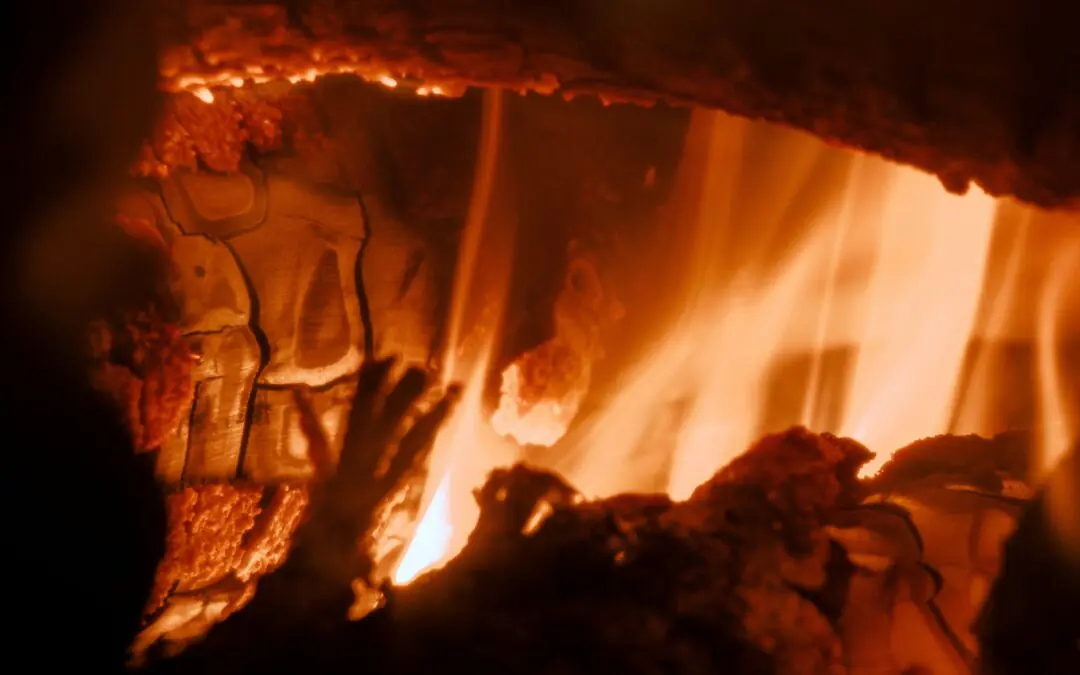
The word Purgatory comes from the Greek root πῦρ (“pur”) which means both “fire” and “pure.”
This is a fitting description, as the fires of Purgatory, rather than destroying like the fires of Hell, instead purify. Purgatory is where we expiate for the pain due to mortal sins that have been forgiven through the sacrament of Confession, and unrepented venial sins. Much like a scar left on the body after a wound has healed, the pain due to sin remains long after the sin has been forgiven. In this life, we are given the graces to shorten our time due in Purgatory by prayer, fasting, undertaking penance, frequenting the sacraments, wearing the scapular, and making use of indulgences.
While Purgatory is a place of suffering, it is actually a beautiful example of Divine mercy. It is a metaphysical impossibility for anything even slightly impure to enter the presence of God.
St. Catherine of Genoa explains: “If God’s goodness would not temper justice with mercy, satisfying it with the most precious Blood of Jesus Christ, even a single sin would merit a thousand hells.” How merciful is God that He allows us to expiate for our sins through the purifying fires of Purgatory, rather than an almost assured, and deserved, damnation.
Servant of God Fr. Dolindo Ruotolo explains in his definitive guide The Afterlife: Purgatory and Heaven Explained that, despite their pain, the souls in Purgatory possess of a joy inexplicable by earthly standards. He describes Purgatory as “a contest of love,” in which the soul is moved ever-upward by its intense love for God and desire to be united with Him.
And these souls have every reason to be happy! The souls in Purgatory are confirmed in grace. This means that their salvation is guaranteed – they are incapable of sin or error, and they are no longer at any risk of damnation. They know they will see God face-to-face one day, and they therefore embrace their suffering as the necessary means by which to attain the beatific vision.
There is an interesting story from the life of St. Stanislaus, Bishop of Krakow. In 1070, he raised from the dead a man named Peter Miles, who had been dead three years and whose body had decomposed to a skeleton. Given the option to be brought back to earthly life or return to Purgatory, Miles heartily chose Purgatory rather than risk sin and hell here on earth.
While the souls suffer joyfully, it is important to remember that they cannot help themselves get to Heaven more quickly. The Holy Souls need our help! Sometimes, God allows souls to manifest on earth in order to request prayers. The most common request is for the Holy Sacrifice of the Mass. Any small prayer, penance, indulgence, or offering of suffering that we take on behalf of the Holy Souls can greatly accelerate their journey through Purgatory toward Heaven.
This confirmation in grace and certainty of salvation means that the Holy Souls are consumed with a pure love for God and the Church. St. Catherine of Bologna claimed that she gained more favors by praying for the intercession of souls in Purgatory than she gained from the saints in Heaven themselves!
As members of the Church Militant, we have it within our power to gain for a soul currently suffering in Purgatory the most sublime moment of entrance into eternal happiness. Take this description from Don Dolindo as a clarion call to devote yourself to the Holy Souls:
“Coming to the end of its purification, it hurls itself toward God, at His loving invitation, in its utmost gratitude for the pain suffered, more than a sick man could ever have for the pain inflicted on him by a surgeon.”
—
Note: The above quotes and examples are all taken from Fr. Dolindo Ruotolo’s The Afterlife: Purgatory and Heaven Explained, first written in 1959 and now available as a reprint from Sophia Institute Press. Sophia has also just published Fr. Martin Jugie’s classic treatise The Truth About Purgatory and the Means to Avoid It.

Photo by Milada Vigerova on Unsplash