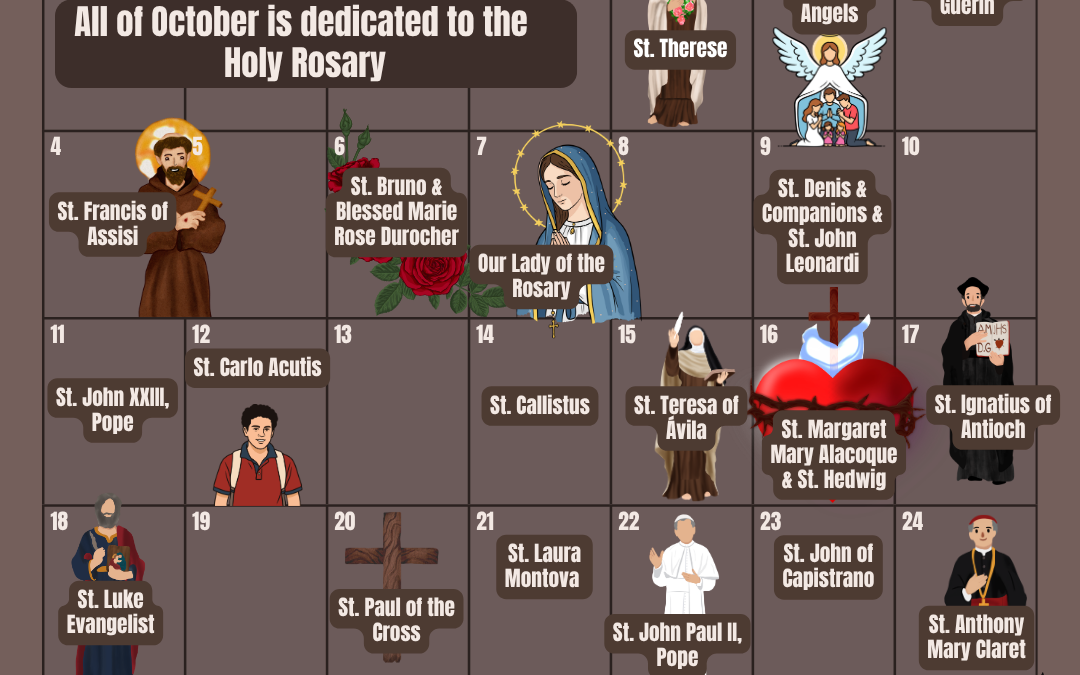
When Pope Leo XIV canonized St. Carlo, the memes were great: Pokemon, Mario, Spiderman, N64, Nutella. A whole generation of 90s kids like me saw themselves in St. Carlo, the first millennial saint.
Something gets lost when we identify with his video game playing and ignore the rest of his story: St. Carlo is our model for using technology well.
While Carlo played the video games we enjoy (or enjoyed as kids), he also learned to code and used that knowledge to build a website cataloguing Eucharistic miracles around the world. The project required real technical skills and real screen time. St. Carlo not only researched these places, he visited many of them. And it’s still showing people the Real Presence today. A few years ago I walked through the print version of his website and marveled that a kid had the audacity to create something so detailed and evangelical. We’re called to be builders too.
It’s understandable to want to just unplug. Even before AI chatbots tempted people into faux relationships, social media and video games introduced them to strangers and increased risks of exposure to pornography, grooming, and other exploitations. The algorithms are engineered to keep everyone scrolling. Now, the chatbots are wired to keep everyone chatting, for better or worse. The worse is unfortunately a reality for many families who have lost loved ones after a chatbot interaction turned dark.
Sometimes, it feels like pulling the plug is the only sane response.
However, throughout Magnifica Humanitas Pope Leo XIV is clear: we cannot run away from new technology because it’s scary, nor can we embrace it fully because it is exciting. Pope Leo says we must discern how we use technology through the lens of Catholic social teaching, ensuring its use magnifies God and serves others (MH 14).
St. Carlo’s life highlights that path forward. A life that doesn’t reject technology, but puts it in its proper place. He set his own limits on video game use so he had time to serve the poor and play soccer with his friends. He used his computer without being consumed by it.
Multiple times in the encyclical, Pope Leo calls all people of good will to invest in digital literacy, especially for young people. At its root, digital literacy means skills to discern truth, think critically, and use technology for the common good. Practically, this means teaching kids to ask good questions. It means pointing out when a computer gets something wrong and thinking through the impact of listening to the wrong answer. Recently, Google AI returned a result saying that “Amanda Quesnelle” wrote my book. Except Amanda Quesnelle doesn’t exist. Amanda is my sister’s name, but we have different last names. If I had unplugged entirely, I wouldn’t have been able to point out the limitations of Google AI to others. Digital skills can’t be developed to their fullest extent if every Catholic unplugs.
The Catholic Roadmap To Move Forward In A Digital Age
So where does that leave us? Pope Leo XIV provides the roadmap to move forward. In the family, children find “the first environment in which all persons develop their potential, become aware of their dignity, and learn the earliest forms of truth and goodness.” (MH 15) That means leaning into what forms people in truth and goodness: the sacraments, daily prayer, and regular Bible reading.
The tech companies think we are data points, users to be optimized. And that is scary, dehumanizing, and flat-out wrong. The Church shows us that every person is created in the image of God and their dignity cannot be earned or quantified.
This week, take an inventory. Think about where you’re merely consuming technology. Are there places where technology is using you? As Magnifica Humanitas says, we can “…consider the digital world as a new continent to be evangelized, one that requires generous missionaries who are mature in the faith.” (238) Find one small way to be a digital missionary instead of scrolling.
St. Carlo, pray for us.
Keep learning about Catholics & AI –> https://creatednotcoded.org/
Image: Photo by Kelly Sikkema on Unsplash