Jesus said to his disciples:
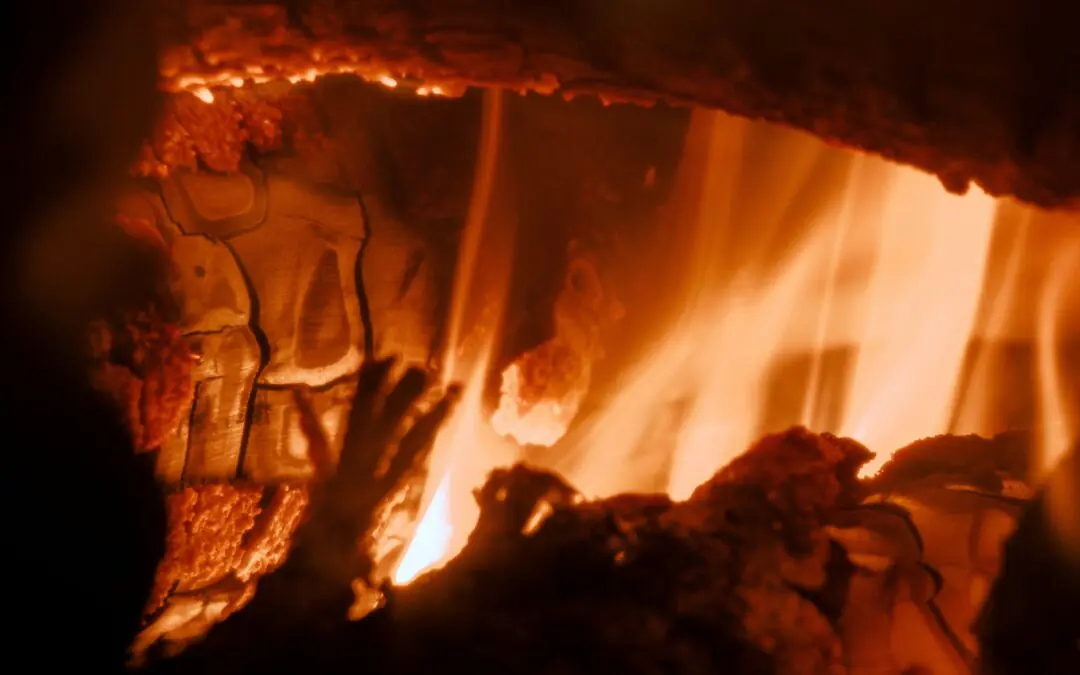
“I have come to set the earth on fire,
and how I wish it were already blazing!
There is a baptism with which I must be baptized,
and how great is my anguish until it is accomplished!
Do you think that I have come to establish peace on the earth?
No, I tell you, but rather division.
From now on a household of five will be divided,
three against two and two against three;
a father will be divided against his son
and a son against his father,
a mother against her daughter
and a daughter against her mother,
a mother-in-law against her daughter-in-law
and a daughter-in-law against her mother-in-law.”
Consuming Fire
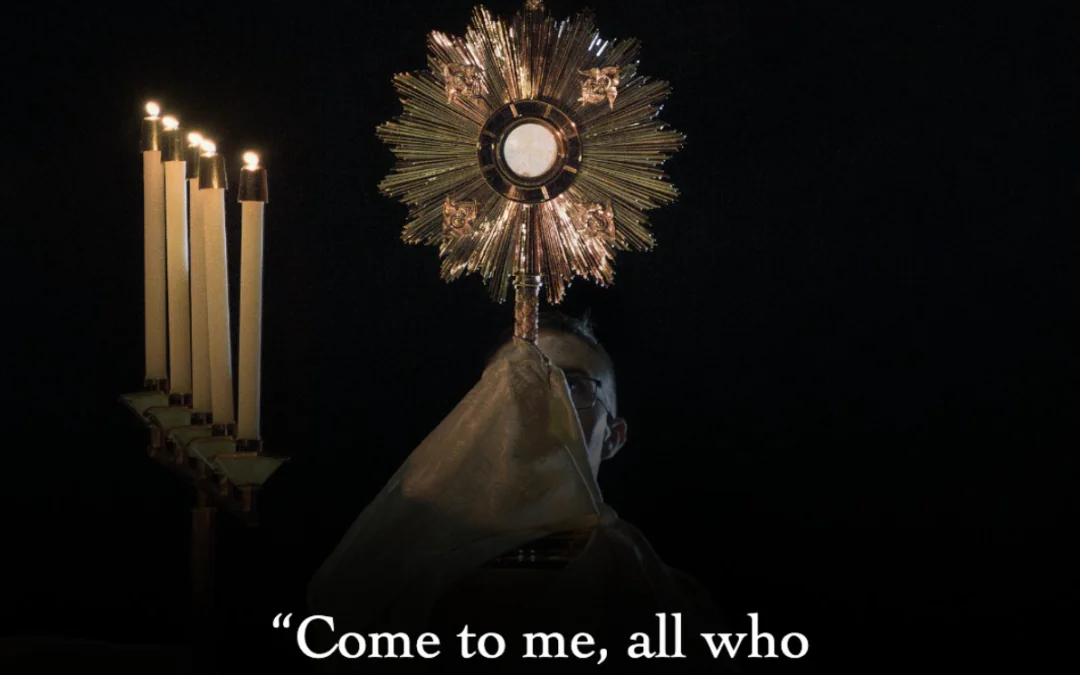
“Our God is a consuming fire,” the Scriptures tell us (Hebrews 12:29; see Deuteronomy 4:24). And in this week’s Gospel, Jesus uses the image of fire to describe the demands of discipleship. The fire He has come to cast on the earth is the fire that He wants to blaze in each of our hearts.
He made us from “the dust of the ground” (Genesis 2:7), and filled us with the fire of the Holy Spirit in Baptism (see Luke 3:16). We were “baptized into his death” (Romans 6:3). This is the baptism our Lord speaks of in the Gospel this week. The baptism with which He must be baptized is His Passion and death, by which He accomplished our redemption and sent forth the fire of the Spirit on the earth (see Acts 2:3).
The fire has been set, but it is not yet blazing. We are called to enter deeper into the consuming love of God. We must examine our consciences and our actions, submitting ourselves to the revealing fire of God’s Word (see 1 Corinthians 3:13). In our struggle against sin, we have not yet resisted to the point of shedding our own blood, Paul tells us in this week’s Epistle. We have not undergone the suffering that Jeremiah suffers in the First Reading this week.
But this is what true discipleship requires. To be a disciple is to be inflamed with the love of the God. It is to have an unquenchable desire for holiness and zeal for the salvation of our brothers and sisters. Being His disciple does not bring peace in the false way that the world proclaims peace (see Jeremiah 8:11); it means division and hardship. It may bring us to conflict with our own flesh and blood.
But Christ “is our peace” (Ephesians 2:14). By His Cross, He has lifted us up from the mire of sin and death, just as the prophet Jeremiah was rescued from the well in today’s First Reading. And as we sing in the Psalm, we look on in awe and trust in the Lord, our deliverer.
Sometimes households become divided. People pursue divorce and then, without securing a decree of nullity from the Church, enter another marriage in the eyes of civil authority. Protecting the integrity and meaning of marriage requires that these persons not attempt to receive Holy Communion. They are in the fold of our Church, though, and can participate in her mission by various means.
The remarriage of persons divorced from a living, lawful spouse contravenes the plan and law of God as taught by Christ. They are not separated from the Church, but they cannot receive Eucharistic communion. They will lead Christian lives especially by educating their children in the faith. (CCC 1665)
Like Baptism, the Sacrament of Confirmation is celebrated once in a person’s life. One who is confirmed receives through the sacramental grace of God the strength to face the inevitable challenges and occasional controversies involved with life as a friend and follower of Jesus.
Confirmation, like Baptism, imprints a spiritual mark or indelible character on the Christian’s soul; for this reason one can receive this sacrament only once in one’s life. (CCC 1317)
Reflection Questions
- What support might I offer those who are remarried while divorced from a lawful, living spouse? How might I be of help to their children?
- What part can I play, tangibly or spiritually, in the journey of young people at my parish who are preparing to celebrate the Sacrament of Confirmation?
Closing Prayer
Holy Spirit, You call Your people to unity and fill them with love. Help Your Church burn with zeal for souls. Bring comfort when discipleship leads to conflict, and send down the grace of reconciliation in abundance. Strengthen the faith of Your Church and bring all the faithful finally to the peace of heaven, where the hope for true unity will be fulfilled. Amen.
Amen.