“Doll Face” is a video published by Global Short Film Network and made by Andy Huang. It proposes a critique about how we understand our relationship with the media and the paradigms that they present.
In the first place, it’s important to recognize that the communication is no longer a one-way flow. We don’t just receive information; we are incredibly rich sources of it. Things like Facebook “likes,” comments, feedback, Internet surfing habits, etc… reveal more of us to those working behind the screen. The result is an image and a message that is a virtual copy of ourselves, modified and adapted according to their agenda.
It’s obvious though that if we were presented with a perfect copy of ourselves we wouldn’t respond to the media’s offer. The mentioned “adaptation” is the key. Offer something that people don’t have, not too unrealistic but never quite attainable. Six key words: keep them coming back for more.
The morality of the strategy in itself is valid (I think). Besides, it’s true that we do need to improve things about ourselves and our environments. The questionable aspect appears when we focus on a deeper message: which comes first, the good of the person or pure economic gain?
Telling a person he or she needs something is one thing. Telling them 20,000 times a year (estimated number of commercials viewed by a person in America) is another. And going beyond the number of itself, how much importance is put on superficial things? How many paradigms are presented that are evidently impossible to obtain?
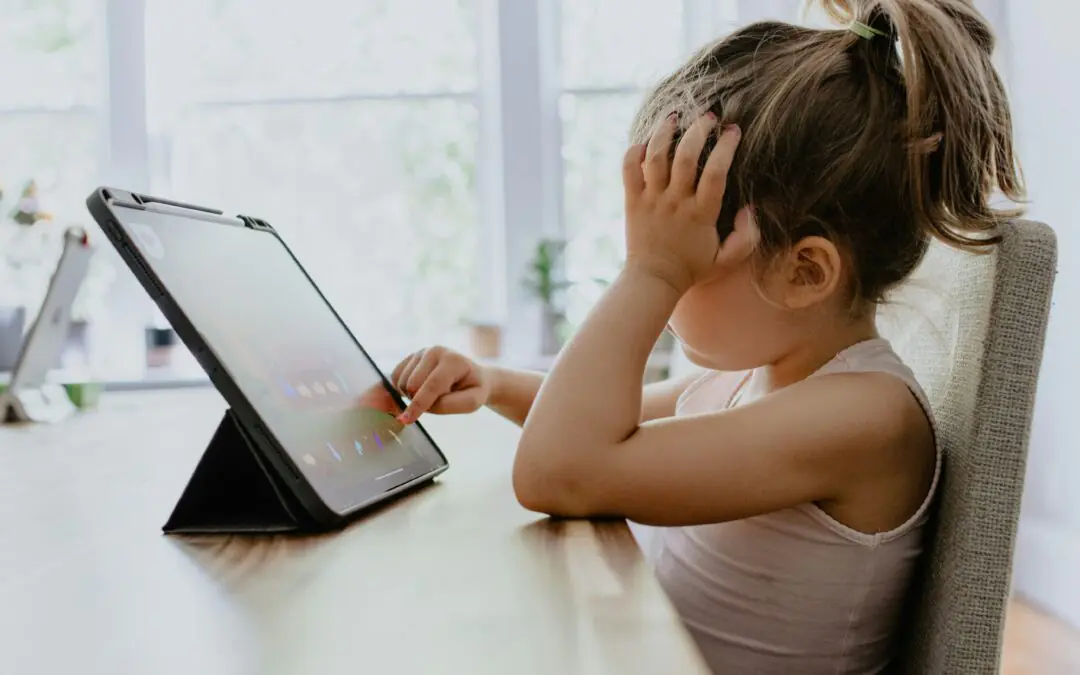
There is a grave danger of generating a virtual environment in which the principal message is, “You aren’t –and never will be– enough.” This type of message can be harmful to all, but especially for children and youth who are struggling to understand who they are and who they should become.
The video could be helpful in generating a dialogue about how the media affects our own self-image and desires. It also raises serious ethical questions for all those involved in communications.
Here’s an interesting comment I saw on YouTube below the video: “This is so truthfully beautiful. Every time she creates a more ‘beautiful’ false image for herself that she’s seen on TV, the ideal moves a little farther out of reach, until eventually she breaks herself trying to achieve this diluted ideal of ‘beauty’, when really she would have been fine had she stayed the way she had been. This animation is very impressive, with a haunting sense of truth to the story it delivers.”