Together with its extraordinary potential to benefit the human family, the rapid development of AI also raises deeper questions concerning the proper use of such technology in generating a more authentically just and human global society. In this sense, while undoubtedly an exceptional product of human genius, AI is “above all else a tool” (POPE FRANCIS, Address at the G7 Session on Artificial Intelligence,14 June 2024). By definition, tools point to the human intelligence that crafted them and draw much of their ethical force from the intentions of the individuals that wield them. In some cases, AI has been used in positive and indeed noble ways to promote greater equality, but there is likewise the possibility of its misuse for selfish gain at the expense of others, or worse, to foment conflict and aggression.
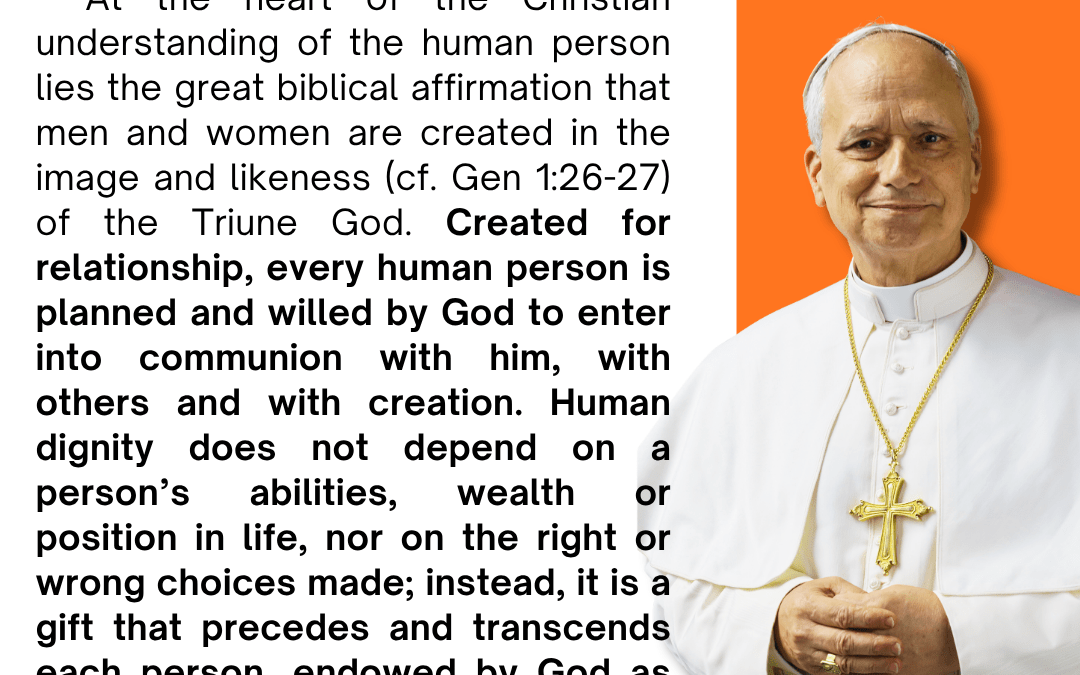
Pope LEO XIV
For its part, the Church wishes to contribute to a serene and informed discussion of these pressing questions by stressing above all the need to weigh the ramifications of AI in light of the “integral development of the human person and society” (Note Antiqua et Nova, 6). This entails taking into account the well-being of the human person not only materially, but also intellectually and spiritually; it means safeguarding the inviolable dignity of each human person and respecting the cultural and spiritual riches and diversity of the world’s peoples. Ultimately, the benefits or risks of AI must be evaluated precisely according to this superior ethical criterion.

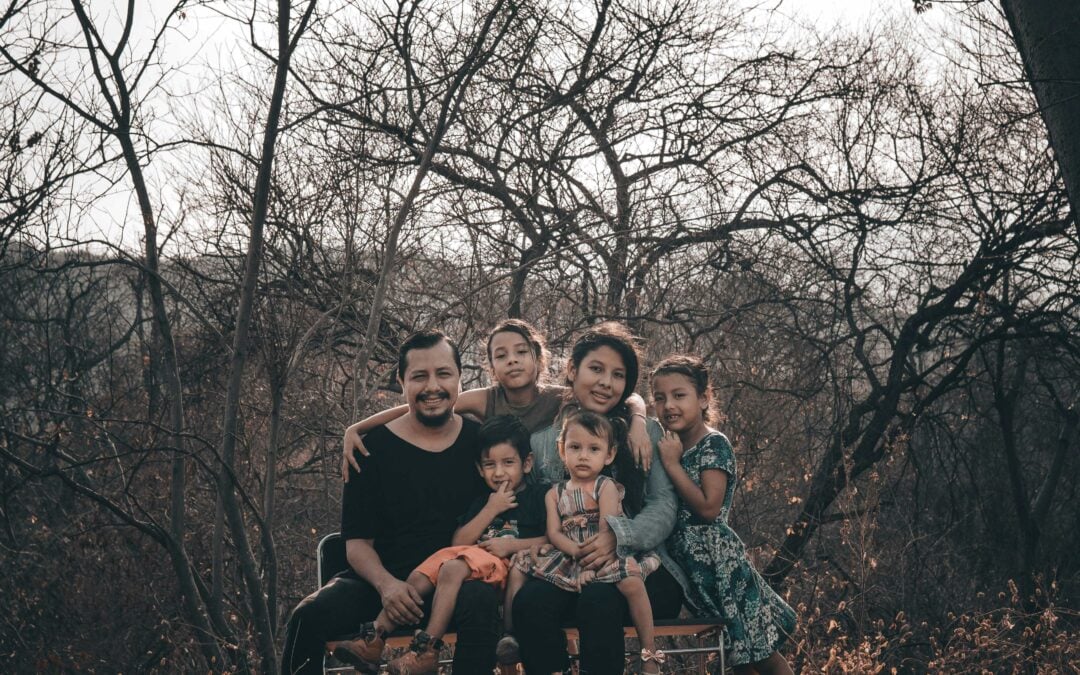
Image: Photo by Steve Johnson on Unsplash